Deutsch
 Slovenščina
HOW TO CHOOSE THE RIGHT FORESTRY WINCH – Part 4
JOS: Practical Advice and First-hand Experience from the Field
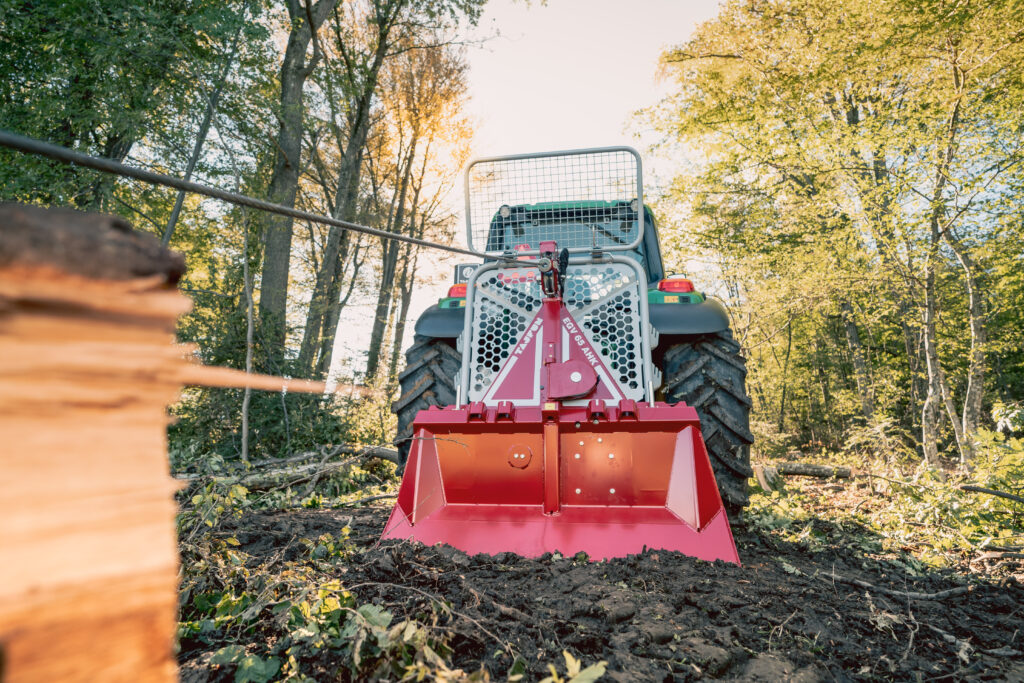
In the previous article, we discussed the winch clutch and brake and their importance for safe and reliable work in the forest. This time, we will focus on another key component of every winch – the rope. A winch alone is of little value to the user in the forest without the right rope. The rope is the direct connection between the winch and the timber being extracted from the forest. That is why it is important to understand its characteristics, limitations, and the basic rules of maintenance.
STEEL WIRE ROPE IS NOT A CONSUMABLE
Steel wire rope is a machine component.
I emphasise this because users often treat it as a standard consumable item, while in reality it requires the same level of attention as bearings, chains, or other important machine components.
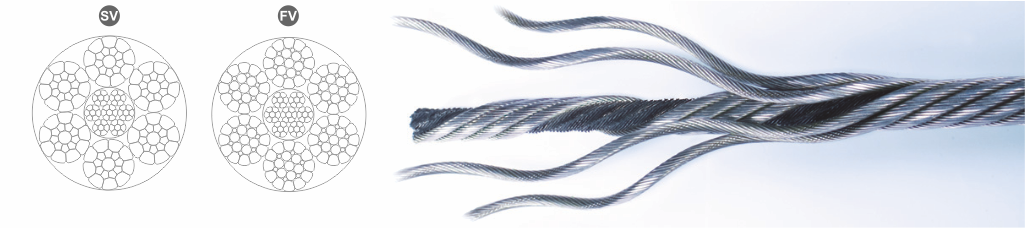
The rope consists of steel wires with the appropriate tensile strength, twisted into strands, which are then laid around a core to form the rope. The construction method depends on the intended application, which is why different rope designs are available for different loads and operating conditions.
WHAT TYPE OF CORE DOES THE ROPE HAVE?
In the past, many ropes featured a hemp core, which provided internal lubrication. These ropes were generally softer and more flexible, but also less resistant to heavy loads.
Today, forestry winches and cable yarding systems almost exclusively use ropes with a steel core.
The core consists of a specially designed strand of steel wires that significantly increases the rope’s minimum breaking force. This allows the use of thinner ropes even with higher winch pulling forces.
The advantages are clear:
- smaller rope diameter,
- greater drum capacity,
- lower weight,
- easier handling for the operator.
Once again, we come back to ergonomics: a thinner rope means easier handling and more rope capacity on the drum.
WHAT ABOUT DOUBLE-COMPACTED ROPES?
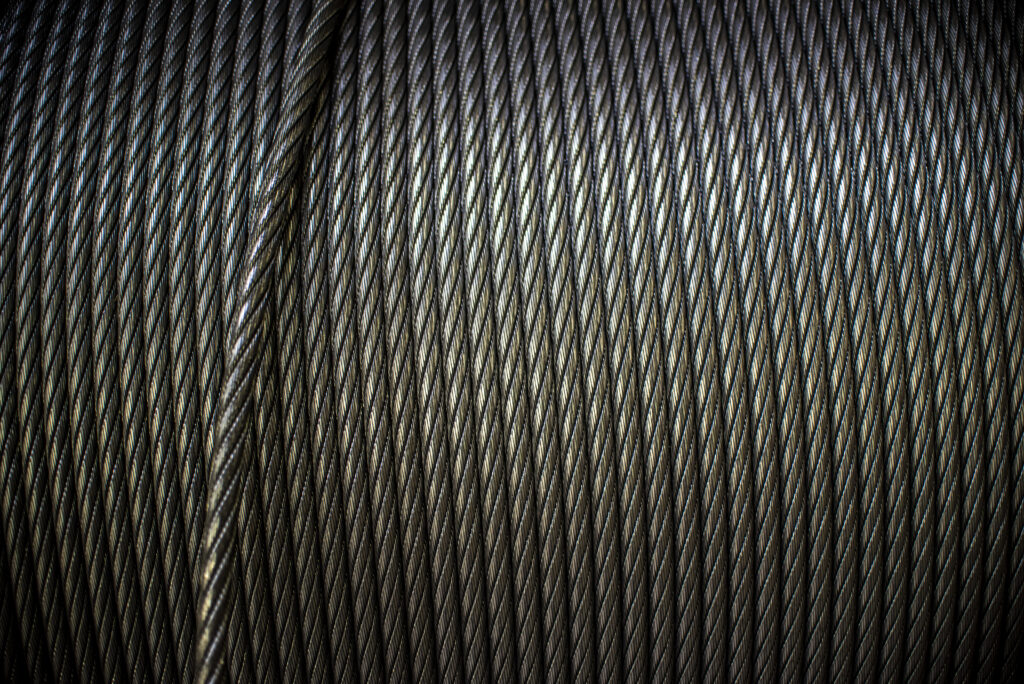
In practice, I often hear the term “double-rolled rope.” To be direct, this is incorrect in most cases. Double-rolled ropes virtually do not exist, but double-compacted ropes do.
In one method of double compaction, the individual strands are compacted first. Only then are they laid into a rope, which is subsequently compacted again as a complete assembly. This process requires significantly more work and technology, which makes such ropes more expensive. Their primary application is in cable yarding systems, especially for carrying ropes, where requirements for strength and service life are particularly high.
WHAT SHOULD THE ROPE’S BREAKING FORCE BE?
Safety regulations specify that the rope’s minimum breaking force (MBF) must be at least twice the maximum pulling force of the winch. This means that rope selection should never be left to chance. When purchasing a rope, always check:
- rope diameter,
- rope construction,
- minimum breaking force,
- compatibility with the winch’s pulling force.
Safety must always come first.
HOW CAN YOU EXTEND THE SERVICE LIFE OF A STEEL WIRE ROPE?
Several factors influence the service life of a rope. The most important are:
- correct winding onto the drum,
- an appropriate drum diameter,
- sufficiently large sheaves,
- regular lubrication,
- proper use.
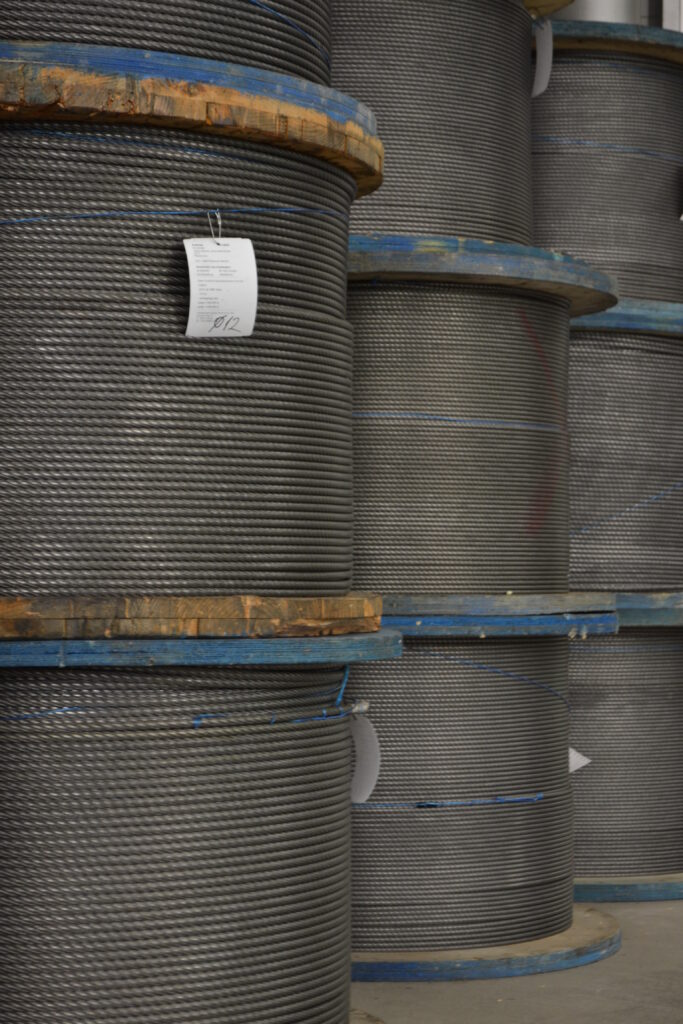
The rope must always be tightly wound onto the drum. A poorly wound rope can become trapped between lower layers under load, causing damage and reducing its service life.
Regular lubrication is equally important. Every rope is lubricated during manufacturing, but the lubricant gradually wears away during use. For additional maintenance, I recommend using chain spray lubricants intended for bicycles or motorcycles. These lubricants penetrate deep into the rope, reduce friction between individual wires, and prevent internal corrosion.
Internal corrosion is often one of the main reasons for premature rope failure. Under regular use, I recommend lubricating the rope approximately once a month.
STEEL OR SYNTHETIC ROPE?
Over the past few decades, synthetic fibre ropes have also become common in forestry.
The best-known are Dyneema® ropes, originally developed in the Netherlands for marine applications. Their greatest advantage is their exceptionally low weight. This has made them a highly attractive alternative to steel wire ropes in forestry as well.
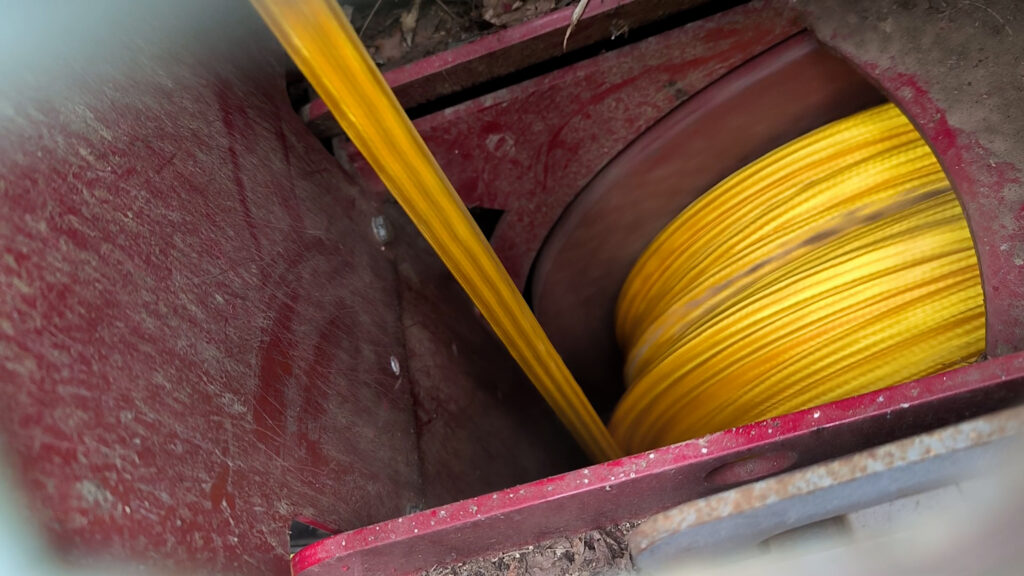
ADVANTAGES OF SYNTHETIC ROPES
The main advantages of synthetic ropes are:
- significantly lower weight,
- easier handling,
- improved ergonomics,
- higher minimum breaking force,
- simple repair in the event of rope failure.
In many cases, synthetic ropes have a minimum breaking force that is 15% or more higher than comparable steel wire ropes.
Safety is another important advantage. If a synthetic rope breaks in the middle, its low weight usually prevents it from whipping through the air as aggressively as a steel rope would.
However, chains, chokers, and other metal components that remain under load still pose a significant hazard.
LIMITATIONS OF SYNTHETIC ROPES
Despite their many advantages, synthetic ropes are not the ideal solution for every situation.
Their biggest weakness is their sensitivity to:
- sharp edges,
- rocks,
- abrasion against stone surfaces,
- mechanical damage.
As a result, their use requires greater care and proper handling. Cost remains another important factor. Although synthetic ropes are much more affordable today than they were twenty years ago, they are still approximately three times more expensive than comparable steel wire ropes.
WHERE DO SYNTHETIC ROPES EXCEL?
Today, they are frequently used for assisted tree felling with a winch. Because they are lightweight, working with them is significantly less physically demanding, and positioning them high in the tree canopy is much easier. For this reason, they are becoming an increasingly popular choice for more demanding forestry operations.
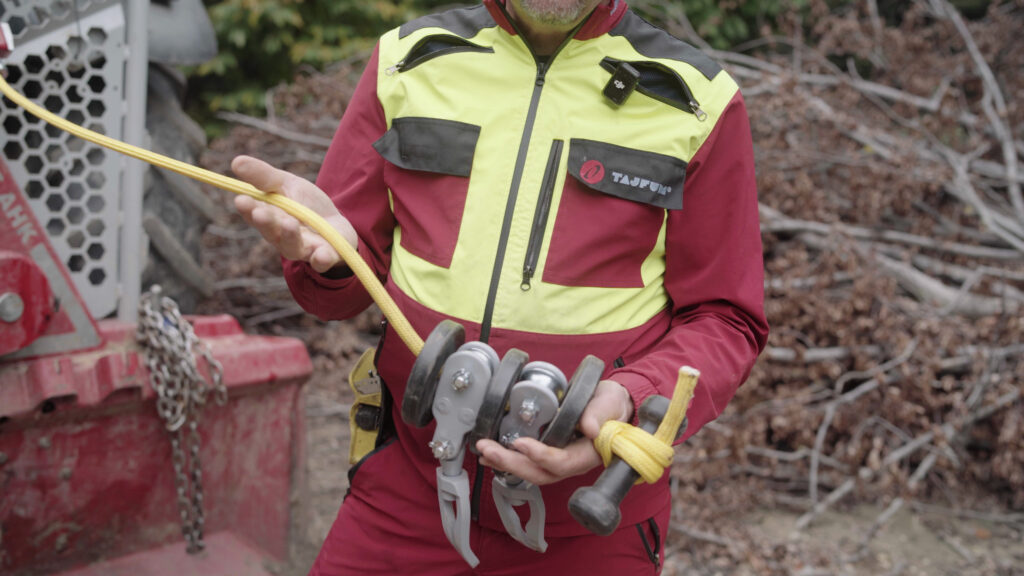
WHAT ROPE LENGTH SHOULD YOU CHOOSE?
In addition to the type of rope, its length is also important. You need to select:
- the appropriate diameter,
- the appropriate minimum breaking force,
- the appropriate length.
As I mentioned in one of the previous articles, an excessively long rope often causes more problems than benefits. It is more difficult to wind evenly onto the drum, damage occurs more frequently, and in practice, ropes often fail somewhere in the middle.
In addition, more rope on the drum means lower pulling force.
For this reason, it is often more practical to use a rope extension rather than work continuously with an excessively long main rope.
DO NOT FORGET THE BASICS
To conclude, let me once again emphasise a few fundamental rules:
- the rope must always be tightly wound onto the drum,
- damaged rope must be replaced in time,
- the rope must be lubricated regularly,
- abrasion against sharp edges must be avoided during operation,
- always use a rope that matches the winch’s pulling force.
A properly selected and well-maintained rope not only extends the service life of the equipment but, above all, ensures safer work in the forest.
In the next article, we will focus on rope end fittings, sliders, and other components that have a significant impact on the efficiency, safety, and service life of the entire timber extraction system.